


| |
|
| |
|
|
 |
 |
| The earliest record of chocolate consumption
dates from the Classic period of the Ancient Maya of Mexico
and Central America. The Maya and their ancestors made chocolate
into a spicy drink (cacao paste mixed with chili peppers, vanilla
and other ingredients) that they used in ceremonies. |
| |
| |
|
 |
|
| The Aztec, between the 13th and 16th
centuries, were among those who had to trade for cacao and often
required that citizens and conquered peoples pay their tribute
in cacao seeds—a form of Aztec money. Like the earlier
Maya, the Aztecs also consumed their bitter chocolate drink
seasoned with spices, and sometimes with honey (sugar was unavailable
to them). |
 |
| |
|
 |
| Columbus encountered a great Mayan trading boat carrying cocoa
beans. |
|
| |
|
| |
|
| |
|
|
| |
 |
 |
| |
| Europe’s first contact with chocolate came
during the conquest of Mexico in 1521. The Spaniards recognized
the value attached to cacao and observed the Aztec custom of
drinking chocolate. Soon after, the Spanish began to ship cacao
seeds back home.
An expensive import, chocolate remained an elite beverage
and a status symbol for Europe’s upper classes for the
next 300 years. |
| |
| |
|
 |
| |
When
the Spanish brought cacao home, they doctored up the bitter
brew with cinnamon and other spices and began sweetening it
with sugar.
They managed to keep their delicious drink a Spanish secret
for almost 100 years before the rest of Europe discovered
what they were missing. Sweetened chocolate soon became the
latest and greatest fad to hit the continent. |
|

|
| |
|
 |
 |
| The first chocolate house was opened in London.
|
| |
Because cacao and sugar were expensive imports, only those
with money could afford to drink chocolate and it was considered
a beverage for the elite class. In fact, in France, chocolate
was a state monopoly that could be consumed only by members
of the royal court.
Like the Maya and the Aztecs, Europeans developed their own
special protocol for the drinking of chocolate. They even
designed elaborate porcelain and silver serving pieces and
cups for chocolate that acted as symbols of wealth and power. |
| |
| |
|
 |
|
| Cacao and sugar were labor-intensive agricultural
products. To keep up with the demand for chocolate, Spain and
many other European nations established colonial plantations
for growing these plants. A combination of wage laborers
and enslaved peoples were used to create a plantation workforce. |
 |
|

|
|
| |
 |
| |
The French artisan Debuisson invented a table
to grind cocoa. It still needed manpower but it made
the processing more efficient and the hard work a little more
comfortable. |
|
|
| |
| |
| |
 |
| The cocoa tree got an official Latin botanical
name from Linnaeus: Theobroma cacao. The name refers to
the mythical background of the tree and means literally:
“cocoa, food of the gods”. |
| |
| |
| |
 |
|
 |
|
| |
 |
Chocolate was introduced to the
United States when Irish chocolate maker John Hanan and Dr.
James Baker built the first chocolate mill in America in Dorchester,
Massachusetts. |
|
|

|
|
| |
 |
| |
| For centuries, chocolate had remained a handmade
luxury sipped only by society’s upper crust. But by the
1800s, mass production made solid chocolate candy affordable
to a much broader public. The Industrial Revolution witnessed
the development of an enormous number of new mechanical inventions
and ushered in the era of the factory. The steam engine made
it possible to grind cacao and produce large amounts of chocolate
cheaply and quickly. Later inventions like the cocoa press
and the conching machine made it possible to create smooth,
creamy, solid chocolate for eating—not just liquid chocolate
for drinking. |
|
|
| |
| |
 |
| In France, Doret built the first machine that automatically
ground cocoa beans. |
| |
| |
 |
|
| |
| Dr Joseph Fry of Bristol, England, employed a
steam engine for grinding cocoa beans, which led to the manufacture
of chocolate on a large factory scale. |
| |
|

|
|
|
 |
| Francois-Louis Cailler opens up the first Swiss chocolate
factory. |
| |
| |
 |
| Dutchman Conrad Van Houten patented a method
for separating cocoa solids from cocoa butter. This |
|
 |
|
| |
| invention helped cut prices and improve the quality
of chocolate. His alkalizing process became known as “Dutching”. |
|
| |
|
| |
|
 |
Joseph Fry & Son discovered a way to mix some
of the cocoa butter back into the “Dutched” chocolate,
added other ingredients to make a paste that could be molded
– the result was the first chocolate bar for eating. |
|
|

|
|
 |
| |
Introduction of the first mass marketed boxes of chocolates
by the Cadbury brothers. |
| |
|
| |
|
|
 |
| After eight years of experimenting, Daniel Peter of
Switzerland developed the world’s first milk chocolate
bar. |
|
 |
| |
|
|
 |
| |
| Rodolphe Lindt of Switzerland produced a more
smooth and creamy chocolate that melted on the tongue. He invented
a machine that churns the paste squeezed from cacao seeds into
a smooth blend (conching), giving chocolate a new texture. |
| |
| |
|
 |
| |
| Candy maker Milton S. Hershey built a chocolate
factory and started to produce milk chocolate using modern,
mass-production techniques that made the product more affordable
to all. |
| |
|

|
|
 |
| |
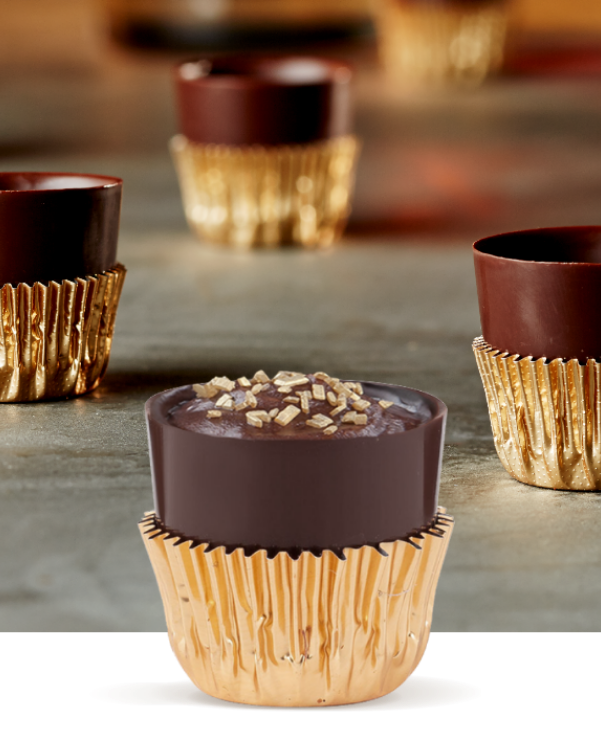
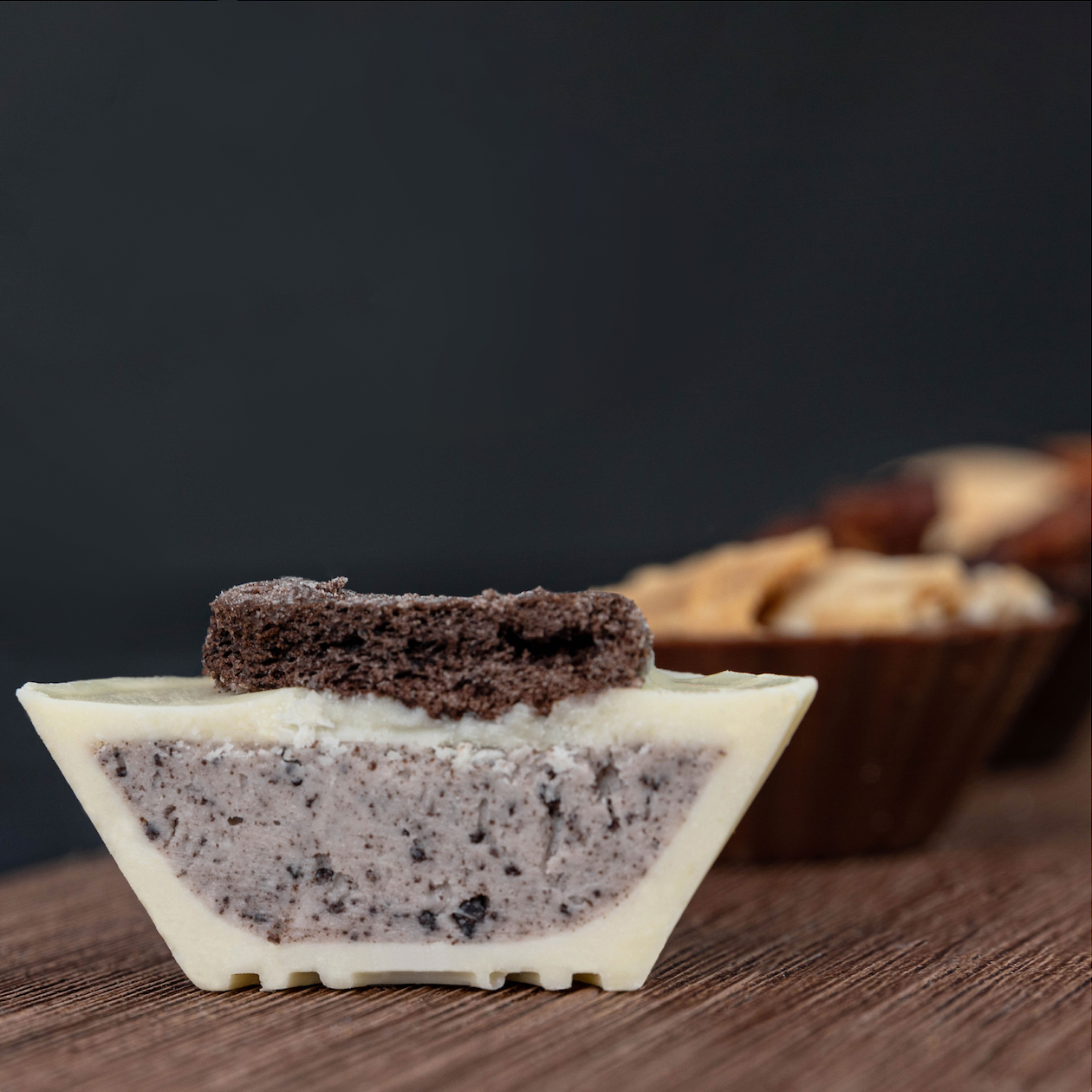
Jean Neuhaus invented a chocolate shell that
he could fill with cream or nut pastes.
The praline is now almost synonymous with Belgian chocolate.
He also designed an appropriate package to hold his treasured
chocolate praline gifts called a ballotin box. Throughout the
world, chocolate made in Belgium is easily recognized for its
rich taste and textures and delicate, yet complicated flavors. |
| |
|
 |
| |
| Jules Sechaud of Montreux introduced a machine
process for manufacturing filled chocolates. |
|
| |
|
| |
|
 |
 |
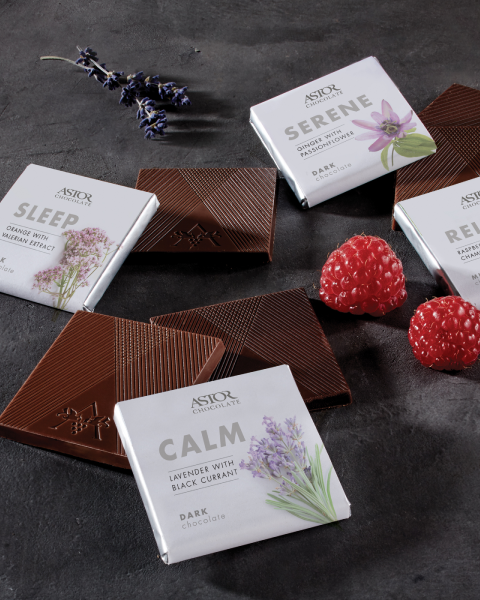
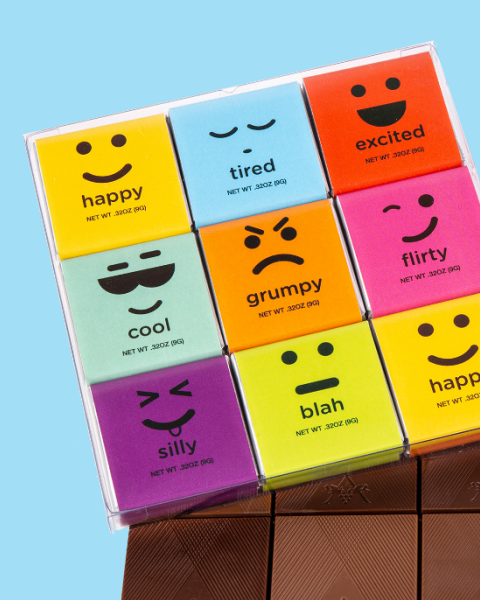
Astor Chocolate opens its first chocolate factory
in the United States producing unique, delightful chocolate
confections and setting trends well into the next millennium. |
|
|
|
| |
|